
The Four Vedas and Ancient Hindu Rituals
The Vedic scriptures are believed to reproduce the exact sounds of the universe at the moment of creation and beyond. Therefore, they primarily take the form of hymns and chants. By reciting the Vedas, one is considered to truly participate in the creative song of the universe that brought all things—observable and unobservable—into existence since the beginning of time.
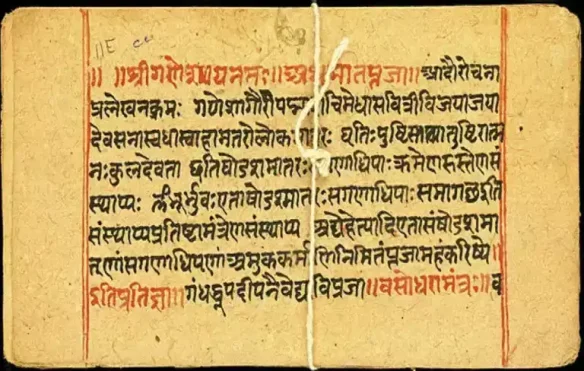
Manuscripts and Types of Vedas
Vedic literature is categorized into two main groups:
- Shruti (“What is Heard”): Records of revelations concerning the nature of existence, as “heard” and recorded by the Vedic sages.
- Smriti (“What is Remembered”): Stories of great heroes from the past and their journeys in fulfilling—or failing—their duties according to Eternal Destiny.
The Four Parts of Shruti
The texts outlining Shruti are found in the four primary Vedas:
- Rig Veda: The oldest Veda, containing a collection of hymns and verses.
- Sama Veda: Records of liturgical chants and melodies for mass worship.
- Yajur Veda: Ritual orders, mantras, and recitations.
- Atharva Veda: Spells, charms, hymns, and prayers for daily life.
1. Rig Veda: The Foundation
The Rig Veda is the oldest work consisting of 10 books (Mandala), 1,028 hymns, and 10,600 verses. It focuses on correct religious practice based on universal vibrations. As noted by scholar Stephen Knapp (or Koller), Vedic thinkers asked fundamental questions: What is thought? What is its source? How does the earth produce life? This philosophical reflection is the essence of Hinduism—moving from basic needs to self-actualization and union with the Divine (Brahman).
2. Sama Veda: The Knowledge of Melodies
The Sama Veda (“Knowledge of Chants”) consists of liturgical songs intended to be sung. Its content is almost entirely derived from the Rig Veda, which serves as its lyrics. It is divided into two parts: Gana (melodies) and Arcika (verses). These melodies are believed to uplift the soul through sacred dance and sound.
3. Yajur Veda: The Knowledge of Ritual
The Yajur Veda consists of ritual formulas, mantras, and chants directly involved in worship services. It is characterized by two parts:
- Black Yajur Veda: Sections that are less clear and less organized.
- White Yajur Veda: Verses that are clearer and better structured.
4. Atharva Veda: The Knowledge of Atharvan
Differing significantly from the first three, the Atharva Veda contains magical spells to ward off evil, initiation rituals, and observations on daily life. It is named after the sage Atharvan, a renowned healer.
The Classification of Vedic Texts
Each Veda is further divided into specific types of literature:
- Samhitas: Benedictions, prayers, and mantras.
- Brahmanas: Commentaries explaining the rituals.
- Aranyakas: Rituals and worship instructions.
- Upanishads: Philosophical commentaries on the meaning of life and the Vedas.
The Upanishads are considered the “end of the Vedas” (Vedanta). The term means “sitting down near,” referring to a student sitting near a teacher to receive esoteric wisdom.
Smriti: The Great Epics
The Smriti texts include:
- Puranas: Folklore and legends about various deities.
- Ramayana: The heroic journey of Sri Rama towards self-actualization.
- Mahabharata: The epic battle of the Pandavas and Kauravas.
- Bhagavad Gita: Krishna’s divine discourse to Arjuna on Dharma.
- Yoga Sutras: Commentaries on yoga disciplines and self-liberation.
Deities and the Hindu Trinity
Vedic texts mention various manifestations of the Divine:
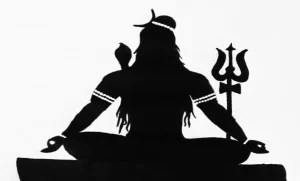
- The Trinity (Trimurti): Brahma (The Creator), Vishnu (The Preserver), and Shiva (The Destroyer).
- Manifestations: Indra (Storms/Courage), Saraswati (Knowledge/Speech), Agni (Fire/Illumination), Ganesha (Remover of Obstacles), and Parvati (Power/Love).
In the Bhagavad Gita, Krishna (an Avatar of Vishnu) guides Arjuna, teaching him that death is an illusion and that fulfilling one’s Dharma is the path to truth.
Rituals and Worship
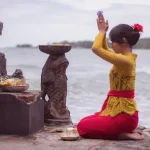
Worship in Sanatana Dharma involves two vital aspects:
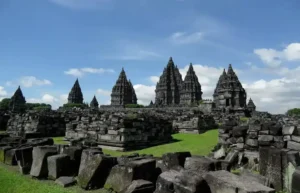
- Puja: Prayers, rituals, and offerings (Yajna) performed at shrines or temples.
- Darshan: Direct visual contact with the deity’s image.
Darshan is a vital element because it is believed that as the devotee seeks the Divine, the Divine also seeks the devotee. When their eyes meet through a sacred figurine (Murti), a spiritual communion occurs, bringing comfort and blessings.
Festivals: The Path of Bhakti
Festivals like Diwali (The Festival of Lights) celebrate the victory of light over darkness. This reflects Bhakti Yoga—the path of loving devotion. Ultimately, all deities and rituals lead back to Brahman, affirming the unity of all life in the vast universe.




Tinggalkan Balasan