
Galungan Holy Day: History, Meaning, and Sacred Rituals
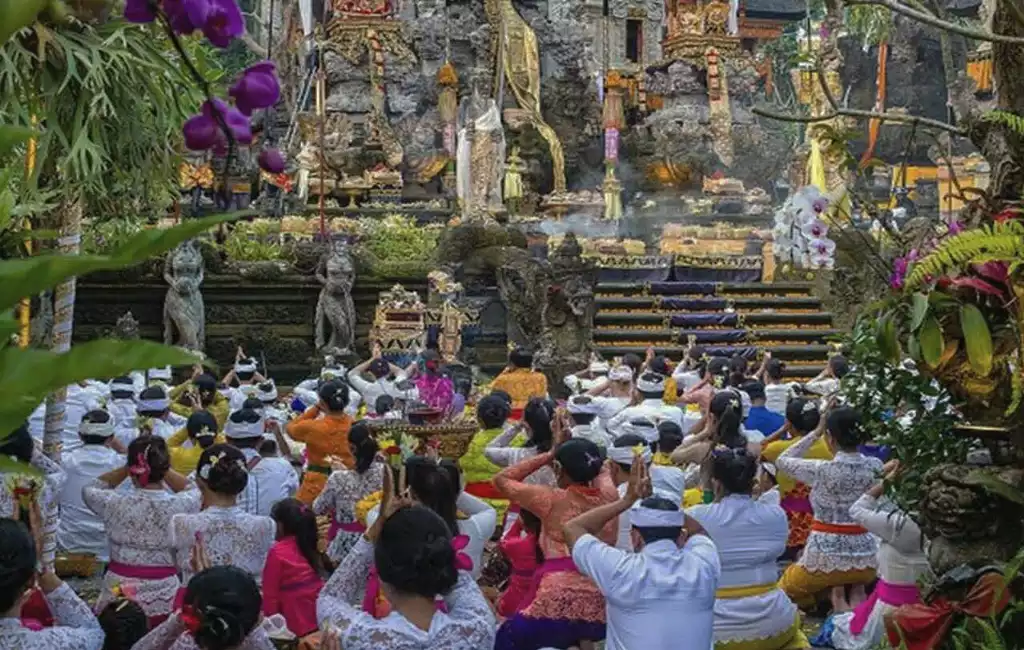
Galungan is a major holy day celebrated by Hindus in Indonesia, particularly in Bali. It occurs every 210 days according to the Balinese Pawukon calendar, falling on Wednesday Kliwon of the week Dungulan (Budha Kliwon Dungulan). Galungan signifies the victory of Dharma (Righteousness) over Adharma (Evil).
Mythology and History
The Legend of Mayadenawa
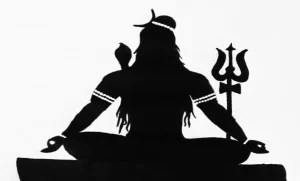
The origins of Galungan are linked to the legend of an Asura (demon) named Mayadenawa. He was a devoted follower of Lord Shiva and was granted the power to transform his shape into a thousand different forms.
However, this power made him arrogant. He forbade the people of Bali from worshipping the Gods, leading to spiritual darkness. Eventually, Lord Indra descended to Earth to challenge Mayadenawa. After a fierce battle, Lord Indra struck the demon with his Bajra (lightning bolt), ending his tyranny. This victory of divine light over darkness is what we celebrate as Galungan.
Historical Records
According to the Purana Bali Dwipa manuscript, Galungan was first celebrated in 882 AD (Saka year 804). The word “Galungan” comes from Old Javanese, meaning “to win” or “to fight.” Interestingly, the word “Dungulan” also means victory, which is why the 11th week of the calendar is named Wuku Dungulan in Bali and Wuku Galungan in Java.
Philosophical Meaning
Philosophically, Galungan serves as a reminder for Hindus to distinguish between the impulses of Adharma (base desires) and Budhi Atma (divine wisdom) within themselves. True happiness is achieved when we can control our untruths and master the path of righteousness.
The Series of Galungan Rituals
1. Tumpek Wariga (25 Days Before)
Dedicated to Sang Hyang Sangkara, the manifestation of God as the creator and protector of all plants. On this day, people offer colorful porridge (bubuh) to trees as a form of gratitude and love for nature, hoping they will bear fruit in time for the Galungan ceremony.
2. Sugihan Jawa (Thursday)
“Sugi” means pure, and “Jawa” (from Jaba) means outside. This day is dedicated to purifying the Bhuana Agung (the universe/the external world), including our homes and temples, through a ritual called Mererebu.
3. Sugihan Bali (Friday)
This is the day for purifying the Bhuana Alit (the inner self). Hindus perform physical cleansing (bathing) and seek holy water (Tirta Gocara) from priests to symbolize the purification of the soul.
4. Hari Penyekeban (Sunday)
The word Nyekeb means to restrain. This day carries the philosophical meaning of “restraining the senses” from doing things that contradict religious teachings.
5. Hari Penyajaan (Monday)
Saja means true or serious. It is a day to strengthen one’s resolve. Legend says the spirit Sang Bhuta Dungulan descends to test the self-control of practitioners on their path toward Galungan.
6. Hari Penampahan (Tuesday – Eve of Galungan)
A busy day where families create Penjor—curved bamboo poles decorated with young coconut leaves, symbolizing gratitude to the Almighty. It is also the day for slaughtering livestock (pork or chicken), which symbolically represents “killing” the animalistic instincts within the human self.
The Day of Galungan and Its Aftermath
The Day of Galungan (Wednesday)
The pinnacle of the celebration. Hindus dress in traditional attire and visit their family temples (Merajan) and village temples. It is a time of “homecoming,” where those living afar return to their ancestral villages to pray.
Hari Umanis Galungan (Thursday)
A day for Dharma Santi—visiting relatives and friends to seek forgiveness and strengthen bonds. You may see the Ngelawang tradition, where children perform the Barong dance from house to house to ward off negative energies.
Pemaridan Guru (Saturday)
A day to seek blessings and wisdom from the Supreme Teacher, Sang Hyang Shiva Guru.
Ulihan (Sunday)
Meaning “to return.” It is believed that the ancestral spirits return to the divine realm on this day, leaving behind blessings of longevity and prosperity for their descendants.
Pemacekan Agung (Monday)
The word Pemacekan comes from Pacek, which in Balinese means Tekek (firm or steadfast). The significance of Pemacekan Agung is a symbol of the spiritual steadfastness of humanity against all temptations encountered during the Galungan celebrations. It is observed on Monday Kliwon of the week Kuningan.
Conclusion: The Spiritual Essence of Galungan
Galungan is far more than a vibrant display of Penjors lining the streets of Bali. It is a profound spiritual journey that spans several weeks, designed to purify both the universe (Bhuana Agung) and the inner self (Bhuana Alit). From the early gratitude shown to nature on Tumpek Wariga to the final steadfastness of Pemacekan Agung, every ritual serves a singular purpose: to strengthen the soul’s resolve.
Ultimately, the victory of Dharma over Adharma is not a historical event involving ancient demons, but a continuous internal struggle. By celebrating Galungan, Balinese Hindus reaffirm their commitment to truth, kindness, and spiritual clarity. It is a time to reconnect with ancestors, harmonize with nature, and emerge with a brightened mind (Ida Sang Hyang Cahaya) to face the challenges of life with renewed wisdom.
“Following the sacred series of Galungan rituals, the celebration continues toward the holy day of Kuningan, marking the final stage of this spiritual journey.”
FAQ – Frequently Asked Questions
1. What is the spiritual meaning of Galungan?
Galungan is the celebration of Dharma (Righteousness) overcoming Adharma (Evil). It is a sacred time when Balinese Hindus believe ancestral spirits return to visit their descendants on Earth.
2. Why do Balinese people put up Penjors?
The Penjor is a tall, curved bamboo pole symbolizing Mount Agung and the sacred dragon Basuki. It is a gesture of gratitude to God for the bountiful harvest and earthly abundance.
3. How is the date of Galungan determined?
It follows the 210-day Balinese Pawukon calendar, falling on Wednesday Kliwon in the week of Dungulan. This means it occurs approximately every seven months in the Gregorian calendar.
4. What is the significance of the Barong dance (Ngelawang)?
During Umanis Galungan, children perform Ngelawang (Barong dance from house to house) to purify the environment, ward off negative energies, and bring positive vibrations to the community.
5. Is Galungan the same as the Hindu New Year?
No. While it is a major celebration, the Balinese Hindu New Year is Nyepi (Day of Silence). Galungan is a specific festival focused on ancestral worship and the victory of Dharma.
References:
- PHDI (Parisada Hindu Dharma Indonesia) – Makna Hari Suci Galungan dan Kuningan
- Stephen Knapp – The Hindu Culture in Bali: A Remaining Stronghold of Vedic Tradition
- Babad Bali – Rangkaian Upacara Hari Raya Galungan





Tinggalkan Balasan