
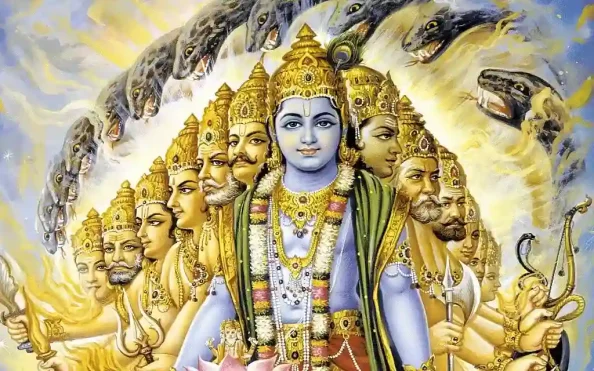
Bhagavad Gita Chapter 1 | First Conversation
Restlessness of the heart Stairway to True Happiness | Gita chapter 1 . Arjuna Wisada Yoga: Reviewing the army on the battlefield of Kurukshetra. The army of both sides was ready to fight. Arjuna, a mighty warrior, saw his relatives, teachers, and friends in the army of both sides, Ready to fight and sacrifice his life. Arjuna was moved by restlessness and compassion, so that his strength became weak, his mind was confused, and he could not muster up the courage to fight.
Table of Contents
Gita chapter 1: 1-10
1:1 dhṛtarāṣṭra uvāca
dharma-kṣetre kuru-kṣetre samavetā yuyutsavaḥ
māmakāḥ pāṇḍavāś caiva kim akurvata sañjaya
Dhṛtarāṣṭra asked: “Assembled and ready for battle in the Dharma Field of Kurukṣetra, O Sañjaya, what are my sons and the sons of Pāṇḍu doing?”
1:2-3
sañjaya uvāca
dṛṣṭvā tu pāṇḍavānīkaṁ vyūḍhaṁ duryodhanas tadā
ācāryam upasaṅgamya rājā vacanam abravīt
paśyaitāṁ pāṇḍu-putrāṇām ācārya mahatīṁ camūm
vyūḍhāṁ drupada-putreṇa tava śiṣyeṇa dhīmatā
Sañjaya replied: “After inspecting the Pandava army, Duryodhana approached his Guru; and, saying: ‘Behold the Pandava army led by the son of Drupada, one of your agile disciples.
1:4-6
atra śūrā maheṣv-āsā bhīmārjuna-samā yudhi
yuyudhāno virāṭaś ca drupadaś ca mahā-rathaḥ
dhṛṣṭaketuś cekitānaḥ kāśirājaś ca vīryavān
purujit kuntibhojaś ca śaibyaś ca nara-puṅgavaḥ
yudhāmanyuś ca vikrānta uttamaujāś ca vīryavān
saubhadro draupadeyāś ca sarva eva mahā-rathāḥ
‘There are gathered here Yuyudhāna, Virāta, and Drupada; all of them experts in war as great as Bhīma and Arjuna; there are also Dhṛṣṭaketuḥ, Cekitānaḥ, and the brave king of Kāśi; Purujit, Kuntibhoja, and Śaibya, of the strength of a wild bull; warriors like Yudhāmanyu and Uttamaujā; the sons of Subhadra and Draupadī, whose chivalry is unquestionable.
1:7-9
asmākaṁ tu viśiṣṭā ye tān nibodha dvijottama
nāyakā mama sainyasya saṁjñārthaṁ tān bravīmi te
bhavān bhīṣmaś ca karṇaś ca kṛpaś ca samitiṁ-jayaḥ
aśvatthāmā vikarṇaś ca saumadattis tathaiva ca
anye ca bahavaḥ śūrā mad-arthe tyakta-jīvitāḥ
nānā-śastra-praharaṇāḥ sarve yuddha-viśāradāḥ
‘For your knowledge, I now name those who are on our side; the Master himself, Bhīṣma, Karṇa, Kṛpa, the invincible, Aśvatthāmā, Vikarṇa, there are also the sons of Somadatta; there are many other warriors, all skilled in the art of war, armed with their weapons, ready to risk their lives for me.
1:10
aparyāptam tad asmākaṁ balaṁ bhīṣmābhirakṣitam
paryāptam tv idam eteṣam balaṁ bhīṣmābhirakṣitam
‘The strength of our army under the leadership of Bhīṣma, far exceeds their strength under the leadership of Bhīṣma.
Gita chapter 1: 11-20
1:11
ayaneṣu ca sarveṣu yathā-bhāgam avasthitāḥ
bhīṣmam evābhirakṣantu bhavantaḥ sarva eva hi
‘Therefore, all the troops should be ready in their respective positions to protect Bhīṣma.’
1:12
tasya sañjanayan harṣaṁ kuru-vṛddhaḥ pitāmahaḥ
siṁha-nādaṁ vinadyocchaiḥ śaṅkhaṁ dadhmau pratāpavān
“So, to encourage Duryodhana, Bhīṣma blew his war trumpet.”
1:13-19
tataḥ śaṅkhāś ca bheryaś ca paṇavānaka-gomukhāḥ
sahasaivābhyahanyanta sa śabdas tumulo’bhavat
tataḥ śvetair hayair yukte mahati syandane sthitau
mādhavaḥ pāṇḍavaś caiva divyau śaṅkhau pradadhmatuḥ
pāñcajanyaṁ hṛṣīkeśo devadattaṁ dhanañjayaḥ
pauṇḍraṁ dadhmau mahā-śaṅkhaṁ bhīma-karmā vṛkodaraḥ
anantavijayaṁ rājā kuntī-putro yudhiṣṭhiraḥ
nakulaḥ sahadevaś ca sughoṣa-maṇipuṣpakau
kāśyaś ca parameṣv-āsaḥ śikhaṇḍī ca mahā-rathaḥ
dhṛṣṭadyumno virāṭaś ca sātyakiś cāparājitaḥ
drupado draupadeyāś ca sarvaśaḥ pṛthivī-pate
saubhadraś ca mahā-bāhuḥ śaṅkhān dadhmuḥ pṛthak pṛthak
sa ghoṣo dhārtarāṣṭrāṇāṁ hṛdayāni vyadārayat
nabhaś ca pṛthivīṁ caiva tumulo’bhyanunādayan
“(Hearing the sound of Bhīṣma’s trumpet) the other Kaurava warriors also blew their trumpets; then, Kṛṣṇa, Arjuna, and the relatives of the Pāṇḍavas also responded, to show their respective readiness. The war drums of both the opposing sides also sounded; so terrible was the sound, shaking the hearts of the Kauravas.”
Gita chapter 1: 20- 30
1:20-25
atha vyavasthitān dṛṣṭvā dhārtarāṣṭrān kapi-dhvajaḥ
pravṛtte śastra-sampāte dhanur udyamya pāṇḍavaḥ
Hṛṣīkeśaṁ tadā vākyam idam āha mahī-pate
senayor ubhayor madhye ratham sthāpaya me’cyuta
yāvad etān nirīkṣe’haṁ yoddhu-kāmān avasthitān
kair mayā saha yoddhavyam asmin raṇa-samudyame
yotsyamānān avekṣe’haṁ ya ete’tra samāgatāḥ
dhārtarāṣṭrasya durbuddher yuddhe priya-cikīrṣavaḥ
Sanjaya uvāca
evam ukto hṛṣīkeśo guḍākeśena bhārata
senayor ubhayor madhye sthāpayitvā rathottamam
Bhīṣma-Drona-Pramukhataḥ sarveṣāṁ ca mahī-kṣitām
uvāca pārtha paśyaitān samavetān kurūn iti
“Arjuna, ready for war, said to Sri Krishna:
‘Take me to the front line, Kṛṣṇa, I want to see closely who are on the Kaurava side.’”
Sanjaya said:
“According to Arjuna’s desire, Kṛṣṇa led him to the forefront, took a position in the middle of the two armies; faced Bhīṣma, Droṇa, and others who were on the Kaurava side, and said: ‘Behold, Arjuna, the Kaurava army.’.”
1:26-29
tatrāpaśyat sthitān pārthaḥ pitṛn atha pitāmahān
ācāryān mātulān bhrātṛn putrān pautrān sakhīṁs tathā
śvaśurān suhṛdaś caiva senayor ubhayor api
tān samīkṣya sa kaunteyaḥ sarvān bandhūn avasthitān
kṛpayā parayāviṣṭo viṣīdann idam abravīt
dṛṣṭvemaṁ sva-janaṁ kṛṣṇa yuyutsuṁ samupasthitam
sīdanti mama gātrāṇi mukhaṁ ca pariśuṣyati
vepathuś ca śarīre me roma-harṣaś ca jāyate
“And Arjuna also saw that among the Kaurava army, there were so many faces that he knew well, among them there were friends, relatives, and companions; also elderly people. So, a feeling of pity arose in Arjuna’s heart.”
Arjuna said:
“Seeing them, my legs became weak, my lips trembled, and my whole body shivered incessantly.”
1:30
gāṇḍīvaṁ straṁsate hastāt tvak caiva paridahyate
na ca śaknomy avasthātuṁ bhramatīva ca me manaḥ
“Even my skin is burning; even the weapon is falling from my hand; my mind is confused, O Kṛṣṇa, I am unable to stand upright.”
Gita chapter 1: 31-40
1:31
nimittāni ca paśyāmi viparītani keśava
na ca śreyo’nupaśyāmi hatvā sva-janam āhave
“The appearance of evil premonitions is disturbing my heart. What good will I gain by killing my own family and relatives, O Kṛṣṇa?”
1:32–35
na kāṅkṣe vijayaṁ kṛṣṇa na ca rājyaṁ sukhāni ca
kiṁ no rājyena govinda kiṁ bhogair jīvitena vā
yeṣām arthe kāṅkṣitaṁ no rājyaṁ bhogāḥ sukhāni ca
ta ime’vasthitā yuddhe prāṇāṁs tyaktvā dhanāni ca
ācāryāḥ pitaraḥ putrās tathaiva ca pitāmahāḥ
mātulāḥ śvaśurāḥ pautrāḥ śyālāḥ sambandhinas tathā
etān na hantum icchhāmi ghnato’pi madhusūdana
api trailokya-rājyasya hetoḥ kiṁ nu mahī-kṛte
“What is the use of wealth, position, and victory from killing? No, I do not desire any of that. Victory becomes meaningful when enjoyed with those we love. What pleasure will I get from killing my own brothers? It is better to be killed by them than to kill them. O Kṛṣṇa, I cannot kill my own family and relatives for the sake of wealth, power, position, and the superficial pleasures of this mortal world.”
1:36-41
nihatya dhārtarāṣṭrān naḥ kā prītiḥ syāj janārdana
pāpam evāśrayed asmān hatvaitān ātatāyinaḥ
tasmān nārhā vayaṁ hantuṁ dhārtarāṣṭrān sa-bāndhavān
sva-janaṁ hi kathaṁ hatvā sukhinaḥ syāma mādhava
yady apy ete na paśyanti lobhopahata-cetasaḥ
kula-kṣaya-kṛtaṁ doṣaṁ mitra-drohe ca pātakam
kathaṁ na jñeyam asmābhiḥ pāpād asmān nivartitum
kula-kṣaya-kṛtaṁ doṣaṁ prapaśyadbhir janārdana
kula-kṣaye praṇaśyanti kula-dharmāḥ sanātanāḥ
dharme naṣṭe kulaṁ kṛtsnam adharmo’bhibhavaty uta
adharmābhibhavāt kṛṣṇa praduṣyanti kula-striyaḥ
strīṣu duṣṭāsu vārṣṇeya jāyate varṇa-saṅkaraḥ
“Besides sin, what will I gain from this mass murder? What happiness will I gain by killing them? Greed has taken over their minds, so they are ready for war. However, we can still think clearly: why become the cause of self-destruction? War ends civilization. Men are killed, and many women become prostitutes. The entire social order is destroyed.”
Gita chapter 1: 42-47
1:42-47
saṅkaro narakāyaiva kula-ghnānāṁ kulasya ca
patanti pitaro hy eṣāṁ lupta-piṇḍodaka-kriyāḥ
doṣair etaiḥ kula-ghnānāṁ varṇa-saṅkara-kārakaiḥ
utsādyante jāti-dharmāḥ kula-dharmāś ca śāśvatāḥ
utsanna-kula-dharmāṇāṁ manuṣyāṇāṁ janārdana
narake niyataṁ vāso bhavatīty anuśuśruma
aho bata mahat pāpaṁ kartuṁ vyavasitā vayam
yad rājya-sukha-lobhena hantuṁ sva-janam udyatāḥ
yadi mām apratīkāram aśastraṁ śastra-pāṇayaḥ
dhārtarāṣṭrā raṇe hanyus tan me kṣemataraṁ bhavet
“It is not just one generation that suffers from war; future generations who are innocent also suffer. That is what I have heard, O Krishna. And, cultural heritage, traditions and everything noble and valuable is also destroyed.”
“Living in such a chaotic world is like living in hell. Unfortunately, even though we are aware of all these consequences, we are still ready to fight. It is better to die without a fight, than to fight them, O Krishna.”
1:47
sañjaya uvāca
evam uktvārjunaḥ saṅkhye rathopastha upāviśat
visṛjya sa-śaraṁ cāpaṁ śoka-saṁvigna-mānasaḥ
Sanjaya said:
“Thus, after uttering such words, Arjuna abandoned his weapons and sat at the back of his chariot.”
Thus ends the First Conversation of the Bhagavad Gita, chapter 1.
Closing Prayer:
“Om Sarveṣāṁ Svastir Bhavatu, Sarveṣāṁ Śāntir Bhavatu, Sarveṣāṁ Pūrṇam Bhavatu, Sarveṣāṁ Maṅgalaṁ Bhavatu”
Meaning: May all beings prosper, may all beings be at peace, may all beings attain perfection, and may all beings experience glory.
Translation by: Anand Krishna
Source: bhagavadgita.or.id





Tinggalkan Balasan