
Bhagavad Gita Chapter 18 | Ultimate Liberation: Ending Separation, Returning to the Great Union
Gita Chapter 18 – Moksha Sannyasa Yoga: The Yoga of Liberation through Renunciation. This final chapter serves as the conclusion of all teachings and the essence of the highest spiritual goal. Sri Krishna explains the true meaning of renunciation and how the modes of nature affect human consciousness and action.
Krishna clarifies the realization of Brahman, the glory of the Bhagavad Gita, and its ultimate conclusion: that the highest spiritual path is total, unconditional surrender in loving devotion (Bhakti) to the Divine. This path liberates one from all sins, removes the veil of ignorance, and allows the soul to return to its eternal abode with the Supreme Soul.
Table of Contents
Chapter 18:1-4 — The Distinction Between Sannyasa and Tyaga
18:1 arjuna uvāca saṁnyāsasya mahā-bāho tattvam icchāmi veditum tyāgasya ca hṛṣīkeśa pṛthak keśī-niṣūdana Arjuna asked: “O Kṛṣṇa, I wish to understand the truth about saṁnyās (renunciation) and tyāga (relinquishment), and the difference between the two.”
18:2 śrī-bhagavān uvāca kāmyānāṁ karmaṇāṁ nyāsaṁ saṁnyāsaṁ kavayo viduḥ sarva-karma-phala-tyāgaṁ prāhus tyāgaṁ vicakṣaṇāḥ The Blessed Lord (Krishna) said: “The Sages explain saṁnyās as the renunciation of actions motivated by the desire for rewards or personal gain; whereas tyāga, as explained by the wise, is the surrender or relinquishment of all fruits and results of every action performed.”
18:3 tyājyaṁ doṣa-vad ity eke karma prāhur manīṣiṇaḥ yajña-dāna-tapaḥ-karma na tyājyam iti cāpare “Some wise men say that no action is ever perfect; there are always traces of imperfection (stains of evil or error) behind every deed. Therefore, they claim that perfect renunciation is to be free from all actions. However, others state that acts of sacrifice, charity, and spiritual practices must never be abandoned.”
18:4 niścayaṁ śṛṇu me tatra tyāge bharata-sattama tyāgo hi puruṣa-vyāghra tri-vidhaḥ samprakīrtitaḥ “O Arjuna, now hear My definitive opinion regarding saṁnyās and tyāga; for indeed, Arjuna, there are three types of renunciation: Sāttvika, Rājasika, and Tāmasika.”
Chapter 18:5-6 — The Necessity of Sacred Actions
18:5 yajña-dāna-tapaḥ-karma na tyājyaṁ kāryam eva tat yajño dānaṁ tapaś caiva pāvanāni manīṣiṇām “Actions such as yajña (sacrifice), dāna (charity), and tapas (austerity or spiritual practices) are common and essential to perform—they should not be abandoned. For indeed, these acts serve to purify the wise who perform them.”
18:6 etāny api tu karmāṇi saṅgaṁ tyaktvā phalāni ca kartavyānīti me pārtha niścitaṁ matam uttamam “Therefore, sacrifice, charity, austerity, and other duties must be carried out without attachment and without the expectation of attaining a specific result; this is My definitive and supreme conviction, O Arjuna.”
Chapter 18:7-9 — The Three Modes of Renunciation (Tyaga)
18:7 niyatasya tu saṁnyāsaḥ karmaṇo nopapadyate mohāt tasya parityāgas tāmasaḥ parikīrtitaḥ “One’s prescribed duties are not to be neglected. Abandoning them due to confusion caused by illusive attachment is considered a foolish renunciation and is of a Tāmasika nature.”
18:8 duḥkham ity eva yat karma kāya-kleśa-bhayāt tyajet sa kṛtvā rājasaṁ tyāgaṁ naiva tyāga-phalaṁ labhet “Relinquishing a task simply because it is deemed difficult, physically exhausting, or mentally and emotionally burdensome is a renunciation of a Rājasika nature. Such renunciation is ultimately futile.”
18:9 kāryam ity eva yat karma niyataṁ kriyate’rjuna saṅgaṁ tyaktvā phalaṁ caiva sa tyāgaḥ sāttviko mataḥ “Noble work performed for the sake of the work’s inherent nobility, while releasing all attachment to the fruits of that labor, is considered renunciation (Tyāga) of a Sāttvika nature.”
Chapter 18:10 — The Wise Renunciant and Freedom from Doubt
18:10 na dveṣṭy akuśalaṁ karma kuśale nānuṣajjate tyāgī sattva-samāviṣṭo medhāvī chinna-saṁśayaḥ “One who does not hate unpleasant work and is not attached to pleasant work has truly become free from all doubt. Such a person is a wise soul who truly practices the essence of renunciation.”
Chapter 18:11-12 — The Impossibility of Total Inaction
18:11 na hi deha-bhṛtā śakyaṁ tyaktuṁ karmāṇy aśeṣataḥ yas tu karma-phala-tyāgī sa tyāgīty abhidhīyate “As long as one possesses a physical body, it is impossible to be entirely free from karma or action; therefore, a true Tyāgī (Renunciant) is one who relinquishes all expectations regarding the fruits of their actions.”
18:12 aniṣṭam iṣṭaṁ miśraṁ ca tri-vidhaṁ karmaṇaḥ phalam bhavaty atyāgināṁ pretya na tu saṁnyāsināṁ kvacit “For those who remain attached to results, there are three kinds of fruits of action attained after death: the pleasant, the unpleasant, and a mixture of both. However, for a saṁnyāsī (one who is unattached to the fruits of their deeds), such consequences do not exist.”
Chapter 18:13-14 — The Five Factors of Action (Samkhya)
18:13 pañcaitāni mahā-bāho kāraṇāni nibodha me sāṁkhye kṛtānte proktāni siddhaye sarva-karmaṇām “O Arjuna, hear from Me the five causes of karma or action, as explained in the teachings of Sāṁkhya for the accomplishment of all deeds.”
18:14 adhiṣṭhānaṁ tathā kartā karaṇaṁ ca pṛthag-vidham vividhāś ca pṛthak ceṣṭā daivaṁ caivātra pañcamam “These are the five factors: The Body (the dwelling of the soul); The Doer (the mind and ego); The Senses (the instruments); The Various Efforts (the energy exerted); and the fifth is Destiny (the accumulation of past karma).”
Chapter 18:15-17 — The Illusion of the Doer
18:15 śarīra-vāṅ-manobhir yat karma prārabhate naraḥ nyāyyaṁ vā viparītaṁ vā pañcaite tasya hetavaḥ “These five factors are the cause of every action a person initiates through the body, speech, or mind—whether the action is right or wrong.”
18:16 tatraivaṁ sati kartāram ātmānaṁ kevalaṁ tu yaḥ paśyaty akṛta-buddhitvān na sa paśyati durmatiḥ “This being the case, one who, due to an untrained intellect, sees the Self (the Soul) as the sole doer of actions, does not truly see. Their understanding is clouded.”
18:17 yasya nāhaṁkṛto bhāvo buddhir yasya na lipyate hatvāpi sa imāl lokān na hanti na nibadhyate “One whose mind is free from the false ego (the notion of being the doer) and whose intelligence is untainted by materiality—even if they were to slay these people (who act against natural law), they do not truly kill, nor are they bound by the consequences of karma.”
Chapter 18:18-20 — The Three Impulses and the Nature of Knowledge
18:18 jñānaṁ jñeyaṁ parijñātā tri-vidhā karma-codanā karaṇaṁ karma karteti tri-vidḥaḥ karma-saṁgrahaḥ “There are three impulses to action: Knowledge, the Object of Knowledge, and the Knower. Likewise, there are three constituents of action: The Instrument (senses/body), the Action itself, and the Doer.”
18:19 jñānaṁ karma ca kartā ca tridhaiva guṇa-bhedataḥ procyate guṇa-saṅkhyāne yathāvac chṛṇu tāny api “The Sāṁkhya teachings regarding the guṇas (natural qualities) explain that Knowledge, Action, and the Doer are each divided into three types according to the dominant quality. Listen now to this;”
18:20 sarva-bhūteṣu yenaikaṁ bhāvam avyayam īkṣate avibhaktaṁ vibhakteṣu taj jñānaṁ viddhi sāttvikam “Knowledge that allows one to see the one Imperishable and Undivided Supreme Soul within all living beings without exception—know that such knowledge is Sāttvika.”
Chapter 18:23-25 — Three Types of Action (Karma)
18:23 niyataṁ saṅga-rahitam arāga-dveṣataḥ kṛtam aphala-prepsunā karma yat tat sāttvikam ucyate “An action performed in harmony with noble values, done without vanity or ego, without expectation of reward, and without bias or favoritism—is known as Sāttvika action.”
18:24 yat tu kāmepsunā karma sāhaṅkāreṇa vā punaḥ kriyate bahulāyāsaṁ tad rājasam udāhṛtam “Meanwhile, an action performed by forcing oneself for the sake of sensory pleasure and solely for the gratification of the ego—is known as Rājasika action.”
18:25 anubandhaṁ kṣayaṁ hiṁsām anapekṣya ca pauruṣam mohād ārabhyate karma yat tat tāmasam ucyate “An action undertaken through delusion, without considering the consequences, the loss involved, the injury caused to others, or one’s own actual capability—is called Tāmasika action.”
Chapter 18:26-28 — Three Types of Doers (Karta)
18:26 mukta-saṅgo’nahaṁ-vādī dhṛty-utsāha-samanvitaḥ siddhy-asiddhyor nirvikāraḥ kartā sāttvika ucyate “A Doer who is free from attachment (to the fruits of their actions); without ego; steadfast and full of enthusiasm to create, yet remains undisturbed by success or failure—is known as Sāttvika.”
18:27 rāgī karma-phala-prepsur lubdho hiṁsātmako’śuciḥ harṣa-śokānvitaḥ kartā rājasaḥ parikīrtitaḥ “A Doer who is full of attachment; constantly expecting rewards from their deeds; greedy; aggressive or coercive; and easily affected by joy and sorrow—is described as Rājasika.”
18:28 ayuktaḥ prākṛtaḥ stabdhaḥ śaṭho naiṣkṛtiko’lasaḥ viṣādī dīrgha-sūtrī ca kartā tāmasa ucyate “Meanwhile, a Tāmasika Doer is without self-control; unrefined; stubborn, rigid, and harsh; arrogant; dishonest; malicious; lazy and thick-skinned; cowardly, easily discouraged, and prone to procrastination.”
Chapter 18:29-30 — The Nature of Intelligence (Buddhi)
18:29 buddher bhedaṁ dhṛteś caiva guṇatas tri-vidhaṁ śṛṇu procyamānam aśeṣeṇa pṛthaktvena dhanañjaya “O Arjuna, now listen to the division of Intelligence (Buddhi) and Steadfastness based on the respective guṇas or qualities.”
18:30 pravṛttiṁ ca nivṛttiṁ ca kāryākārye bhayābhaye bandhaṁ mokṣaṁ ca yā vetti buddhiḥ sā pārtha sāttviki “Arjuna, the Intelligence that accurately determines when to act and when to refrain; what ought to be done and what ought not; what is to be feared and avoided and what is not; what binds and what liberates—is called Sāttvika Intelligence.”
Chapter 18:31-32 — Intelligence in Passion and Ignorance
18:31 yayā dharmam adharmaṁ ca kāryaṁ cākāryam eva ca ayathāvat prajānāti buddhiḥ sā pārtha rājasī “Intelligence that is unable to distinguish between Dharma (virtue) and adharma (vice); between what ought to be done and what must be avoided—is of a Rājasika nature.”
18:32 adharmaṁ dharmam iti yā manyate tamasāvṛtā sarvārthān viparītāṁś ca buddhiḥ sā pārtha tāmasī “O Arjuna, Intelligence that perceives adharma (vice) as dharma (virtue), and in all matters sees the opposite of what truly is—clouded by the mists of ignorance—is of a Tāmasika nature.”
Chapter 18:33-35 — Three Types of Steadfastness (Dhriti)
18:33 dhṛtyā yayā dhārayate manaḥ-prāṇendriya-kriyāḥ yogenāvyabhicāriṇyā dhṛtiḥ sā pārtha sāttviki “Arjuna, the Steadfastness or determination used to control the mind, the prāṇa (life energy), and the senses through Yoga, is known as Sāttvika Steadfastness.”
18:34 yayā tu dharma-kāmārthān dhṛtyā dhārayate’rjuna prasaṅgena phalākāṅkṣī dhṛtiḥ sā pārtha rājasī “O Arjuna, the Steadfastness that drives one to work with selfish motives for the sake of fame, wealth, and various worldly pleasures—is known as Rājasika Steadfastness.”
18:35 yayā svapnaṁ bhayaṁ śokaṁ viṣādaṁ madam eva ca na vimuñcati durmedhā dhṛtiḥ sā pārtha tāmasī “Arjuna, the foolish Tāmasika Steadfastness is that which causes one to cling to excessive sleep (laziness), fear, anxiety, grief, and vanity.”
Chapter 18:36-39 — The Three Types of Happiness (Sukham)
18:36 sukhaṁ tv idānīṁ tri-vidhaṁ śṛṇu me bharatarṣabha abhyāsād ramate yatra duḥkhāntaṁ ca nigacchhati “O Arjuna, now hear from Me about the three kinds of ‘Suka’ or Happiness—the kind of Happiness that, once attained, brings an end to all sorrow.”
18:37 yat tad agre viṣam iva pariṇāme’mṛtopamam tat sukhaṁ sāttvikaṁ proktam ātma-buddhi-prasāda-jam “Happiness that initially feels like poison but ultimately tastes like Amṛta (the nectar of eternal life); that is Sāttvika Happiness. It is the result of a calm, controlled mind and a true understanding of the self.”
18:38 viṣayendriya-saṁyogād yat tad agre’mṛtopamam pariṇāme viṣam iva tat sukhaṁ rājasaṁ smṛtam “Happiness derived from the contact of the senses with external objects, which initially feels like Amṛta but eventually proves to be poison, is known as Rājasika Happiness.”
18:39 yad agre cānubandhe ca sukhaṁ mohanam ātmanaḥ nidrālasya-pramādotthaṁ tat tāmasam udāhṛtam “Happiness that, from beginning to end, deludes the Soul and distances it from its true nature—born of excessive sleep, laziness, and egoistic indifference—is called Tāmasika Happiness.”
Chapter 18:40 — The Universality of the Three Gunas
18:40 na tad asti pṛthivyāṁ vā divi deveṣu vā punaḥ sattvaṁ prakṛti-jair muktaṁ yad ebhiḥ syāt tribhir guṇaiḥ “There is no being on earth, nor even among the devas in the celestial realms, who is free from the influence of these three qualities born of Prakṛti (Material Nature).”
Chapter 18:41-44 — The Fourfold Division of Human Nature (Varna)
18:41 brāhmaṇa-kṣatriya-viśāṁ śūdraṇāṁ ca parantapa karmāṇi pravibhaktāni svabhāva-prabhavair guṇaiḥ “O Arjuna, the duties of the brāhmaṇas (intellectuals and educators), kṣatriyas (protectors and leaders), vaiśyas (entrepreneurs and farmers), and śūdras (skilled workers) are distributed according to the qualities born of their own nature (svabhāva).”
18:42 śamo damas tapaḥ śaucaṁ kṣāntir ārjavam eva ca jñānaṁ vijñānam āstikyaṁ brahma-karma svabhāva-jam “Serenity, self-control, austerity, purity, and the capacity to forgive easily; honesty, knowledge, wisdom, and faith in the Supreme—these are the inherent qualities and duties of a Brāhmaṇa.”
18:43 śauryaṁ tejo dhṛtir dākṣyaṁ yuddhe cāpy apalāyanam dānam īśvara-bhāvaś ca kṣātraṁ karma svabhāva-jam “Courage, vigor, steadfastness, and dexterity; not fleeing and remaining spirited in the heat of battle or facing other challenges; generosity and leadership—these are the inherent qualities and duties of a Kṣatriya.”
18:44 kṛṣi-go-rakṣya-vāṇijyaṁ vaiśya-karma svabhāva-jam paricaryātmakaṁ karma śūdrasyāpi svabhāva-jam “Agriculture, cattle rearing, and honest trade—these are the inherent qualities and duties of a Vaiśya (Entrepreneur). Lastly, service (according to one’s skills) is the inherent quality and duty of a Śūdra (Worker).”
Chapter 18:45 — Perfection Through One’s Own Duty
18:45 sve sve karmaṇy abhirataḥ saṁsiddhiṁ labhate naraḥ sva-karma-nirataḥ siddhiṁ yathā vindati tac chṛṇu “By working whole-heartedly according to one’s duty and natural potential, an individual attains perfection. Now, hear how one can achieve the highest perfection through the fulfillment of their own duty.”
Chapter 18:46-48 — Work as Worship and the Perfection of Self-Nature
18:46 yataḥ pravṛttir bhūtānāṁ yena sarvam idaṁ tatam sva-karmaṇā tam abhyarcya siddhiṁ vindati mānavaḥ “Supreme Perfection is attained by one who performs their duties in harmony with their natural disposition and potential, with a spirit of devotion to Him, who is the Source of all beings and who Pervades the entire universe.”
18:47 śreyān sva-dharmo viguṇaḥ para-dharmāt sv-anuṣṭhitāt svabhāva-niyataṁ karma kurvan nāpnoti kilbiṣam “It is far better to work according to one’s own nature or potential, even if it seems imperfect, than to perform a task that is not in harmony with one’s nature, even if performed perfectly.”
18:48 saha-jaṁ karma kaunteya sa-doṣam api na tyajet sarvārambhā hi doṣeṇa dhūmenāgnir ivāvṛtāḥ “Therefore, O Arjuna, do not turn away from your duty (which aligns with your nature and potential) simply for fear of making a mistake. For errors can occur in every endeavor, just as fire is inseparable from smoke.”
Chapter 18:49-50 — The Path to Supreme Freedom (Naiskarmya)
18:49 asakta-buddhiḥ sarvatra jitātmā vigata-spṛhaḥ naiṣkarmya-siddhiṁ paramāṁ saṁnyāsenādhigacchati “A wise person who is unattached to anything, whose self is controlled, and who no longer chases sensory pleasures, attains Supreme Freedom from all (consequences) of their actions through Saṁnyās or the Renunciation of attachment to results.”
18:50 siddhiṁ prāpto yathā brahma tathāpnoti nibodha me samāsenaiva kaunteya niṣṭhā jñānasya yā parā “Now Arjuna, learn briefly from Me how one who has achieved Self-Perfection also attains Brahman, the Supreme Soul-Consciousness, which is the Ultimate State of Knowledge or True Wisdom.”
Chapter 18:51-53 — The Path to Brahman-Consciousness
18:51 buddhyā viśuddhayā yukto dhṛtyātmānaṁ niyamya ca śabdādīn viṣayāṁs tyaktvā rāga-dveṣau vyudasya ca “Equipped with a pure intellect (clear vision); steadfast in Soul-Consciousness; self-controlled; unaffected by public opinion (views that do not support Soul-Consciousness); and free from attachment to the material world and the duality of like/dislike.”
18:52 vivikta-sevī laghv-āśī yata-vāk-kāya-mānasaḥ dhyāna-yoga-paro nityaṁ vairāgyaṁ samupāśritaḥ “One who frequently retreats to a quiet place; eats moderately; strives for control over the body, senses, speech, and mind; focuses all consciousness on the true Self (practicing Meditation or Dhyāna Yoga); and takes refuge in Vairāgya, relinquishing all worldly attachments.”
18:53 ahaṁkāraṁ balaṁ darpaṁ kāmaṁ krodhaṁ parigraham vimucya nirmamaḥ śānto brahma-bhūyāya kalpate “One who has become free from the false ego; from arrogance born of strength, position, or power; from lust, anger, and attachment to material possessions—attains peace and becomes worthy of reaching Brahman, the Supreme Consciousness.”
Chapter 18:54-55 — The Culmination of Devotion (Bhakti)
18:54 brahma-bhūtaḥ prasannātmā na śocati na kāṅkṣati samaḥ sarveṣu bhūteṣu mad-bhaktiṁ labhate parām “Established in Brahman-Consciousness, one is perpetually cheerful, no longer grieving, and no longer chasing after things. Such a person treats all living beings equally. In this state, they have truly attained supreme devotion (Bhakti) unto Me.”
18:55 bhaktyā mām abhijānāti yāvān yaś cāsmi tattvataḥ tato māṁ tattvato jñātvā viśate tad-anantaram “Through the spirit of devotion (Bhakti), one comes to know My True Essence—how and what the Supreme Soul really is. Then, having known Me in Truth, they enter into union with Me immediately.”
Chapter 18:56-58 — Divine Grace and the Surrender of Action
18:56 sarva-karmāṇy api sadā kurvāṇo mad-vyapāśrayaḥ mat-prasādād avāpnoti śāśvataṁ padam avyayam “Thus, one who performs all their work in the spirit of devotion and completely surrenders to Me, attains the Eternal and Imperishable Supreme Perfection by My grace.”
18:57 cetasā sarva-karmāṇi mayi saṁnyasya mat-paraḥ buddhi-yogam upāśritya mac-cittaḥ satataṁ bhava “Mentally surrender all your actions to Me; devote yourself to Me as the Supreme Goal; practice Buddhi Yoga to discern what is right from what is wrong; and constantly fix your mind and feelings upon Me.”
18:58 mac-cittaḥ sarva-durgāṇi mat-prasādat tariṣyasi atha cet tvam ahaṁkārān na śroṣyasi vinaṅkṣyasi “With all your thoughts and feelings focused on Me, you will overcome all difficulties through My grace. However, if driven by ego, you do not listen to My counsel, then you shall surely perish.”
Chapter 18:59-60 — The Power of Inherent Nature (Svabhava)
18:59 yad ahaṁkāram āśritya na yotsya iti manyase mithyaiṣa vyavasāyas te prakṛtis tvāṁ niyokṣyati “If, resting on your ego, you think, ‘No, I will not fight,’ then your decision is futile. Your own nature (as a warrior) will compel you to fight.”
18:60 svabhāva-jena kaunteya nibaddhaḥ svena karmaṇā kartuṁ necchasi yan mohāt kariṣyasy avaśo’pi tat “O Arjuna, what you do not wish to do because of foolish and illusive attachment, you will inevitably do anyway, driven by your own nature. This is caused by your karma—your destiny and potential as a warrior, resulting from the accumulation of past actions that led to your birth in a warrior family.”
Chapter 18:61-62 — The Divine Presence and Total Surrender
18:61 īśvaraḥ sarva-bhūtānāṁ hṛd-deśe’rjuna tiṣṭhati bhrāmayan sarva-bhūtāni yantrārūḍhāni māyayā “Know, O Arjuna, that Īśvara—the Lord of the Universe—dwells in the heart (the psyche) of every living being. Through the power of His Māyā (the illusive yet potent energy), He moves all beings as if they were mounted on a machine.”
18:62 tam eva śaraṇaṁ gaccha sarva-bhāvena bhārata tat-prasādāt parāṁ śāntiṁ sthānaṁ prāpsyasi śāśvatam “Therefore, Arjuna, surrender yourself completely to Him; for by His grace, you shall attain supreme peace and eternal perfection.”
Chapter 18:63-65 — The Most Secret Knowledge and The Divine Promise
18:63 iti te jñānam ākhyātaṁ guhyād guhyataraṁ mayā vimṛśyaitad aśeṣeṇa yathecchasi tathā kuru “Thus, the Supreme Wisdom, the True Knowledge that is deeper than the deepest, has been imparted to you by Me. Reflect upon it fully, and then act according to your own will.”
18:64 sarva-guhyatamaṁ bhūyaḥ śṛṇu me paramaṁ vacaḥ iṣṭo’si me dṛḍham iti tato vakṣyāmi te hitam “Listen once more to My supreme word, the most secret of all truths; because you are very dearly loved by Me, I speak this for your own well-being.”
18:65 man-manā bhava mad-bhakto mad-yājī māṁ namaskuru mām evaiṣyasi satyaṁ te pratijāne priyo’si me “Fix your mind and your heart upon Me; be devoted to Me; offer your sacrifices to Me and bow down your ego-head before Me. In this way, you shall surely come to Me. I promise you this, for you are truly very dear to Me.”
Chapter 18:66 — The Ultimate Surrender (Saranagati)
18:66 sarva-dharmān parityajya mām ekaṁ śaraṇaṁ vraja ahaṁ tvām sarva-pāpebhyo mokṣyayiṣyāmi mā śucaḥ “Abandon all varieties of duties and surrender solely unto Me (the Supreme dwelling within all). Take refuge in Me; I shall liberate you from all sins, reproaches, and the fears arising from your actions. Do not worry; do not be grieved!”
Chapter 18:67-69 — Guidelines for Sharing the Sacred Wisdom
18:67 idaṁ te nātapaskāya nābhaktāya kadācana na cāśuśrūṣave vācyaṁ na ca māṁ yo’bhyasūyati “Do not share this teaching with those who lack inner discipline, who have no desire for devotion to something higher, who lack the spirit of service, or who are unwilling to listen. For they will only seek faults and disregard the Soul as the true essence of self.”
18:68 ya idaṁ paramaṁ guhyaṁ mad-bhakteṣv abhidhāsyati bhaktiṁ mayi parāṁ kṛtvā mām evaiṣyaty asaṁśayaḥ “Conversely, one who shares this supreme secret with love (as an expression of their devotion to Me) with those who are ready to receive it—such a person will undoubtedly attain Me.”
18:69 na ca tasmān manuṣyeṣu kaścin me priya-kṛttamaḥ bhavitā na ca me tasmād anyaḥ priyataro bhuvi “There is no one whose service to Me exceeds theirs (those who share this noble teaching with love). Likewise, there is no one in the entire world more dear to Me than they are.”
Chapter 18:70 — The Sacrifice of Knowledge (Jnana Yajna)
18:70 adhyeṣyate ca ya imaṁ dharmyaṁ saṁvādam āvayoḥ jñāna-yajñena tenāham iṣṭaḥ syām iti me matiḥ “Whoever studies this sacred conversation of ours, truly worships Me through the sacrifice of Supreme Knowledge (Jñāna Yajña)—this is My firm conviction.”
Chapter 18:71-72 — The Power of Hearing and Understanding
18:71 śraddhāvān anasūyaś ca śṛṇuyād api yo naraḥ so’pi muktaḥ śubhāl lokān prāpnuyāt puṇya-karmaṇām “Whoever listens to this teaching with full faith and without cynicism shall surely attain absolute freedom and the true happiness reached by the wise who perform noble deeds.”
18:72 kaccid etac chrutaṁ pārtha tvayaikāgreṇa cetasā kaccid ajñāna-saṁmohaḥ praṇaṣṭas te dhanañjaya “O Arjuna, have you listened to these teachings with full attention? Has the confusion of your mind been overcome, Arjuna?”
Chapter 18:73 — Arjuna’s Transformation
18:73 arjuna uvāca naṣṭo mohaḥ smṛtir labdhā tvat-prasādān mayācyuta sthito’smi gata-sandehaḥ kariṣye vacanaṁ tava Arjuna replied: “By Your grace, O Kṛṣṇa, the illusion that caused my mind to wander has vanished; I have regained right understanding. Now I am free from all doubt and hesitation. I am ready to carry out Your will.”
Chapter 18:74-77 — Sanjaya’s Witness and Ecstasy
18:74 sañjaya uvāca ity ahaṁ vāsudevasya pārthasya ca mahātmanaḥ saṁvādam imam aśrauṣam adbhutaṁ roma-harṣaṇam Sañjaya said: “Thus have I heard this wonderful conversation between Kṛṣṇa and the great-souled Arjuna, which is so marvelous that it makes my hair stand on end.”
18:75 vyāsa-prasādāc chrutavān etad guhyam ahaṁ param yogaṁ yogeśvarāt kṛṣṇāt sākṣāt kathayataḥ svayam “By the grace of Bhagavān Vyāsa, I have heard this supreme Yoga teaching directly from Kṛṣṇa Himself—the Yogeśvara, the Master of Yoga!”
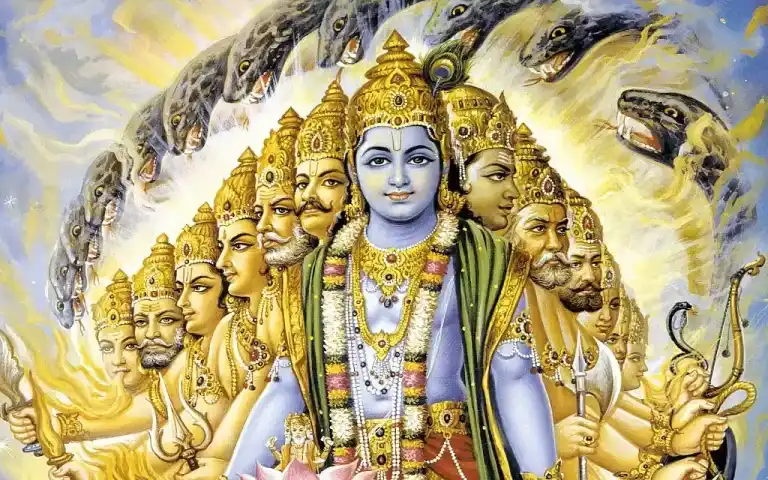
18:76-77 rājan saṁsmṛtya saṁsmṛtya saṁvādam imam adbhutam… “O King, as I repeatedly recall this sacred and wonderful conversation between Kṛṣṇa and Arjuna, I rejoice again and again. And as I remember the most wondrous form of Kṛṣṇa, my amazement grows, and I am filled with joy over and over again.”
Chapter 18:78 — The Final Proclamation
18:78 yatra yogeśvaraḥ kṛṣṇo yatra pārtho dhanur-dharaḥ tatra śrīr vijayo bhūtir dhruvā nītir matir mama “Wherever there is Kṛṣṇa, the Lord of Yoga, and wherever there is Arjuna, the wielder of the bow, there will surely be splendor, victory, prosperity, and righteousness—this is my firm conviction.”
Thus ends the Eighteenth Discourse of the Gita, Chapter 18.
“May all beings be well, may all beings be at peace, may all beings attain perfection, and may all beings experience divine glory.”
English Translation: PujaShanti
Analytical Insight: Gemini AI
Primary Source: bhagavadgita.or.id





Tinggalkan Balasan